Your Guide to Glass Skin: Inspired by K-Beauty
Your one-stop shop for all things glass skin. Discover glass skin products, ingredients, and expert tips with L’Oreal Paris.
Your one-stop shop for all things glass skin. Discover glass skin products, ingredients, and expert tips with L’Oreal Paris.
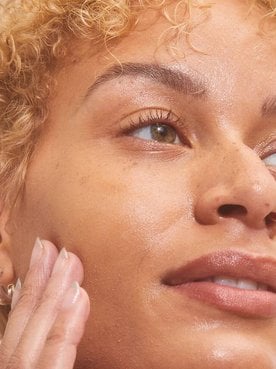
Glass skin is characterised by a smooth, clear, dewy, and plump appearance, often giving off a radiant, glowing skin effect. The term ‘glass skin’ comes from the skin’s ability to reflect light – like glass. Glass skin owes its origins to the Korean Beauty industry, but it is now part of the global lexicon.
You might often see glass skin referred to as a trend, but we like to think of it as a timeless investment. Why? Because it targets three universal skin goals: clarity, radiance, and hydration.
Yes, glass skin isn’t just reserved for youthful-looking skin; just like your beauty, glass skin is ageless. That's because you can adapt your glass skin routine to suit your needs as your skin matures. That might mean adopting glass skin products that support moisture retention, or it could mean seeking out radiance-boosting ingredients to brighten and unify skin tone.
An effective glass skin routine is built on a hydration-focused philosophy and skincare habits that favour consistency and longevity over quick-fix solutions.
To get glass skin, we recommend a combination of hydrating and brightening products to support smoother, plumper, more radiant skin. Here, serum layering is crucial, but your choice of cleanser and moisturiser is equally important.
Below are some basic tips to keep in mind:
“Glass skin needs three essential families of ingredients”, says Dr Richard Betts, Scientific Director for L’Oreal Paris. “One, those that directly add hydration, such as hyaluronic acid. Two, those that help plug the moisture leaks that can develop in the skin moisture barrier, such as ceramides. Three, those that can help the skin renew its compromised skin moisture barrier and improve collagen production and quality, such as Vitamin B3, B5, and C.”
Hydrating, brightening and smoothing ingredients are the benchmark for glass skin. To achieve that sought-after glass-like finish, you can turn to these top glass skin ingredients:
In the quest for glass skin, it’s important to choose the right products to achieve a luminous, plumped-up finish. Seek out a mixture of lightweight aqueous glass skin products, along with radiance-boosting ingredients to achieve the look. We recommend our:
If glass skin is starting to feel like an unattainable aspiration, it might be time to reframe your skin goals. Remember, glass skin isn’t simply an aesthetic or a surface-level skin finish. Fundamentally, glass skin is about hydration, balance, and glow.
So, let’s break down some tips for when it feels like your skin is working against you.


The goal of glass skin is to look dewy, which can be used interchangeably with shiny.
Often, ‘shine’ is associated with excess oil, so it’s important to toe this line when building your glass skin routine. If your skin feels greasy or slick, it could be time to reevaluate your glass skin products.
Yes – all skin looks different as it matures.
Our skin naturally loses collagen and elastin as we age, and this is completely normal. You may also notice a change in the depth of your fine lines as well as visible discolouration. However, this is where brightening ingredients (such as vitamin C and niacinamide) and collagen-boosting skincare (like retinol) can assist.
This will vary person to person, but you might start to notice an improvement in your skin’s radiance around the four- to six-week mark.
If it’s taking a little longer for your skin, don’t be disheartened! Some people find that it takes several months before they see significant visible changes in their skin.
Actually, glass skin is neither!
Glass skin is founded on hydration, radiance, and clarity – three key pillars of balanced skin. It isn’t a look you create or reserve for special occasions; it’s about how your skin behaves consistently.