What is skin hydration – and how can the glass-skin look help you achieve it?
Skin hydration refers to your skin’s water content.
The amount of water in your skin directly influences the look and feel of your skin.
- Dehydrated skin tends to feel rough and tight, while also appearing dull or uneven. A lack of water can also impact your skin’s elasticity, accentuating the appearance of fine lines and wrinkles.
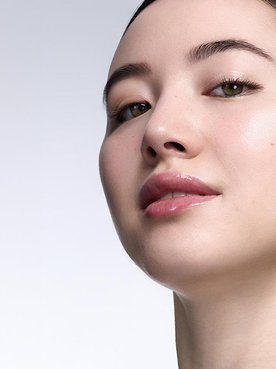
- Well-hydrated skin, by contrast, is firm, dewy, supple, and radiant – and the ‘glass skin’ phenomenon encapsulates this philosophy. With an emphasis on nurturing the skin moisture barrier, having glass skin is about achieving a complexion so clear, smooth, and luminous it appears almost transparent.
Hydrating skincare ingredients
The most effective glass skin routines include a combination of hydrating skincare ingredients that attract and bind water to the skin surface.
"Many parts of Australia have an extremely dry climate, even during the winter months, so your skin could easily be dehydrated without you even realising it,” says Dr Richard Betts, Scientific Director for L’Oreal Paris. “The best way to counter this is to ensure your skin is getting the moisture it needs: both from the inside out, but also from the outside in with hydrating skincare products and ingredients".
Certain ingredients are a cut above the rest, though, which is why we’ve rounded up three of the most powerful hydrators that you can incorporate into your skincare practice: hyaluronic acid, glycerin, and ceramides. Let’s dive in!
Hyaluronic acid
There’s a reason why hyaluronic acid is one of the most well-loved skincare ingredients on the market. A star player in both skin hydration and glass skin routines, hyaluronic acid benefits dry, dehydrated skin by attracting and holding up to 1,000 times its weight in water.
Hyaluronic acid belongs to a class of hydrating ingredients called ‘humectants’, which work by drawing moisture into the outer layers of the skin. Using hyaluronic acid for skin can have a near-instant plumping and smoothing effect that makes skin appear bouncy and luminous.
Glycerin
Another powerful humectant, glycerin attracts and retains moisture at the skin surface. This versatile and effective ingredient is often found in cleansers, toners, serums, moisturisers, and even makeup to ensure products support skin hydration.
Glycerin layers well with other hydrating skincare ingredients, making it particularly reliable for glass skin routines – which combine multiple hydrating and brightening steps.
Ceramides
While humectants like hyaluronic acid and glycerin infuse the skin with water, ceramides (a type of emollient) work by locking that moisture into the skin.
Ceramides help strengthen the skin moisture barrier, acting as a sort of ‘glue’ between skin cells. This helps prevent moisture loss, while also keeping out harmful pollutants that can sensitise the skin. Ceramides are naturally produced in the body, but you’ll find them commonly formulated in moisturisers to support skin hydration.
Hydrating skincare products to help you achieve a glass skin look
To achieve glass skin, skin hydration should be at the forefront of each step in your routine.
Your arsenal of hydrating skincare products will include a mixture of cleansers, serums, moisturisers, and face masks – but which ones? Read on, as we delve into four key L’Oreal Paris products that boost hydration and support a luminous, glass-like finish on the skin.
Revitalift Filler Smoothing Cleanser
When you think of skin hydration, a facial cleanser might not be the first product to come to mind – but in reality, it sets the tone for all the hydrating skincare products that follow.
The Revitalift Filler Smoothing Cleanser manages to strike a delicate balance: cleansing surface debris, without drying out the skin. The key is its salicylic acid and hyaluronic acid-enriched formula, which gently sloughs dead skin cells to smooth the skin surface while supporting moisture retention.
Revitalift Filler 1.5% Pure Hyaluronic Acid Serum
Serums are the cornerstone of skin hydration, and if you’ve dabbled in a glass skin routine already, you’ll know that serum layering is an essential component of achieving clear, radiant, dewy skin that retains its bounce.
Powered by three types of hyaluronic acid, the Revitalift Filler 1.5% Pure Hyaluronic Acid Serum hydrates the skin, re-plumps the skin’s top layers, and helps visibly diminish the depth of fine lines and wrinkles.
Revitalift Filler Glass Skin Liquid Cream
Moisturiser is fundamental to skin hydration, as it helps seal in your serum’s benefits and prevent water loss – particularly important if you’re building a glass skin routine for sensitive skin. Fusing hyaluronic acid and vitamin C, Revitalift Filler Glass Skin Liquid Cream is a unique serum-moisturiser hybrid that is able to fill skin 10 layers deep for up to 100 hours of glow and skin hydration. Designed for all skin tones, this unique formula boosts radiance, locks in moisture, and gives skin that enviable glass-like appearance.
Revitalift Filler Glass Skin Hydrogel Glow Mask
Your daily hydrating skincare routine should be filled with the usual suspects – cleanser, serum and moisturiser – but you can also incorporate a once-weekly face mask for deep, lasting hydration. Enriched with powerful derm actives (including hyaluronic acid, adenosine, and glycerin), the Revitalift Glass Skin Hydrogel Glow Mask is a 90-minute sheet mask that instantly refreshes and plumps skin for a radiant, dewy finish.
How to maintain skin hydration throughout the year
Maintaining skin hydration requires commitment, consistency, and consideration of how your skin can change throughout the year. Here are some factors to keep in mind:
- Seasonal changes can impact your skin’s moisture levels. For instance, it’s more difficult to manage dry skin during winter, when humidity levels are naturally lower. In addition to using hyaluronic acid for skin, you might consider a thicker moisturiser.
- Try to avoid overly hot showers and limit your exposure to indoor heating – which can dry the skin out further.
- Truly hydrated skin starts from within, so make sure you’re drinking enough fluids throughout the day and incorporating water-rich fruits and vegetables into your diet.
- Remember, skin hydration isn’t a fleeting trend; it’s something to be mindful of all year. So be sure to stick to your hydrating skincare routine, no matter the season.
Skin hydration becomes increasingly difficult to maintain as we grow older – but skincare can go a long way to supplement this moisture loss. Next, find out how to build a glass skin routine for mature skin.