What are ceramides?
Ceramides are naturally occurring lipids (oils), found in the top layer of the skin, that help make up your skin’s natural defence system. To better understand what ceramides do for skin, we consulted Dr Richard Betts, Scientific Director for L’Oreal Paris:
“Our skin is made up of cells, but there needs to be something that holds these cells in the upper layers of the skin together. This is the role of ceramides – to act as the mortar holding all the cell bricks together.”
In the ongoing quest for glass skin and hydration, ceramide products have found their way into many skincare routines – often paired with humectants such as hyaluronic acid.
A humectant is a type of moisturising agent that draws water from the deeper layers of the skin and external environment, whereas ceramides are emollients – which trap that water inside the skin moisture barrier. This is why ceramides are often used alongside hyaluronic acid-rich skincare products – like the Revitalift Filler Glass Skin Liquid Cream, which provides an instant glass-skin finish – to hydrate from the inside out.
What is the skin moisture barrier, and what does it do?
Residing in the outermost layer of skin – the epidermis – the skin moisture barrier operates as your skin’s first line of defence, forming a protective wall that locks in hydration and keeps out harmful allergens and pollutants. A healthy skin moisture barrier ensures the skin feels comfortable, smooth, and resilient, and – because hydrated skin is naturally more radiant, even, and less prone to redness – positively affects how skin looks, too.
Signs of a damaged skin moisture barrier
A compromised skin moisture barrier is often the result of a combination of internal and external stressors: such as stress, climate, pollutants or seasonal allergens, over-cleansing or over-exfoliating, using too many actives, or UV damage. And, while certain skin types with fewer natural lipids – like dry and sensitive – are more susceptible to skin moisture barrier damage, it can ultimately affect any skin type.
Recognising the signs of skin moisture barrier damage is the first step in rebuilding your protective lipid layer. Common hallmarks include:
- Persistent dryness or tightness
- Increased sensitivity or discomfort
- Dull-looking skin
- Facial redness
- Rough, uneven texture
- Recurring breakouts
- Makeup sitting poorly on the skin
“If your skin moisture barrier function is impaired, this may be partly because the skin’s mortar – ceramides – are not doing their job of holding the cells together and causing water to leave the skin,” Dr Betts explains. “But this is where ceramide-rich skincare can offset moisture loss.”
The benefits of ceramides for skin
Applying topical ceramide products to skin helps mimic your skin moisture barrier’s natural lipid structure. In ‘bolstering’ this barrier, ceramides benefit the skin in a number of ways.
A strong skin moisture barrier:
- Makes skin more resilient
- Locks in hydration and boosts moisture retention
- Supports plumper, softer, smoother-looking skin
- Helps skin appear more radiant
- Enables the skin to better fend off environmental aggressors, which helps diminish facial redness and keep sensitivity at bay
The connection between ceramides and a glass skin finish
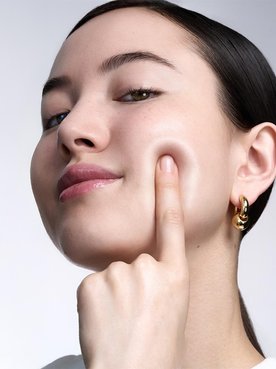
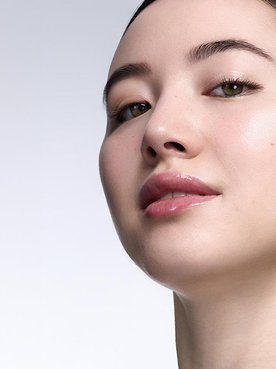
A radiant glass skin finish relies on a smooth, hydrated surface that reflects light evenly – and a robust skin moisture barrier is where it all starts.
Achieving glass skin is not an overnight process: it takes long-term commitment to hydration. And, with their moisture-locking properties, ceramides help create the ideal conditions for the fundamentals of glass skin: a plump base, even texture, and a natural, dewy glow.
Ceramide products don’t simply add moisture to the skin. Rather, they work in tandem with your skin moisture barrier to preserve moisture in the skin for longer. In doing so, ceramides for skin mitigate dry, flaky patches and uneven tone and texture, while promoting that trademark bounce and luminosity that characterises glass skin.
Through this lens, ceramides aren’t simply a quick hydration fix. They support long-term glass skin – and promote a lit-from-within glow that lasts.
Ceramides for skin: application tips for stronger skin moisture barrier support
Ceramides work harmoniously with many other skincare ingredients that also support the skin moisture barrier, bringing you one step closer to achieving your glass skin goals.
Read on four application tips for ceramide products to build into your glass skin routine.
1. Hydrate with ceramides and hyaluronic acid
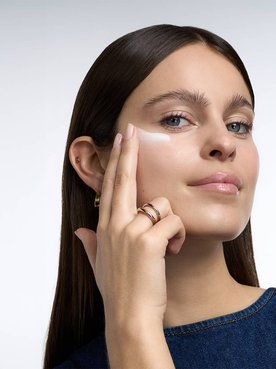
We touched on this efficacious duo before, but their hydrating prowess bears repeating. Our favourite hyaluronic acid and ceramide combo is the Revitalift Filler Glass Skin Hydrogel Glow Mask and the Revitalift Filler Plumping Water Cream with Hyaluronic Acid.
Start with the 90-minute face mask for a supercharged dose of hydration, then seal in moisture with the ceramide-infused plumping water cream.